How realistic is
shooting film in 2026?
Film photography changes the pace of seeing.
There’s no instant playback and no endless retries. Each frame asks for patience, attention, and commitment. You make the photograph first, then discover it later. That small gap between capture and result is part of the magic.
This two-day workshop is a hands-on introduction to shooting, developing, and scanning black and white film from start to finish.
On the first day, we start with a relaxed refresher on exposure—aperture, shutter speed, ISO, handheld light metering, and a practical approach to depth of field and zone focusing. The goal isn’t to bury you in technical jargon, but to help you feel comfortable slowing down and shooting with intention.
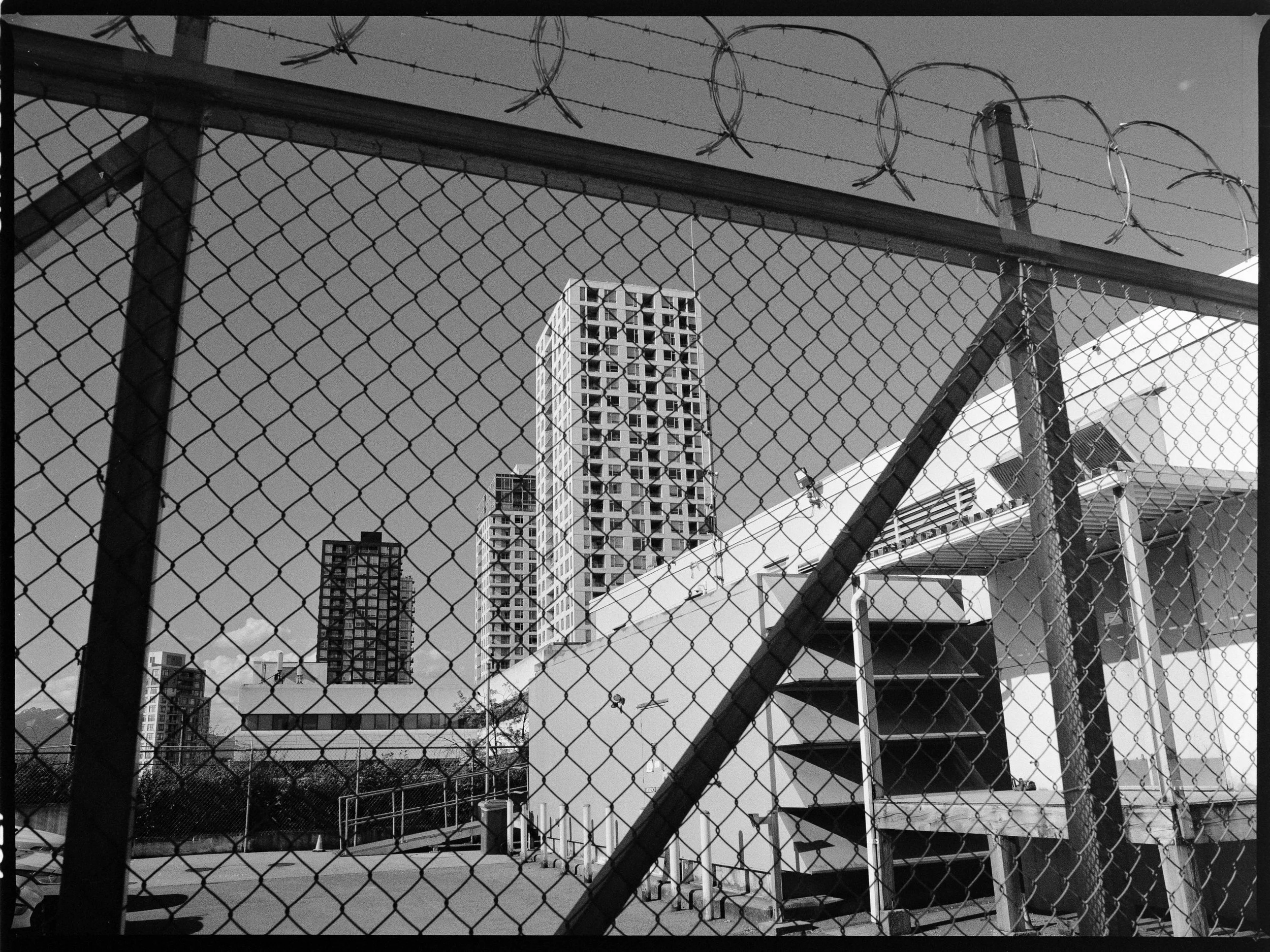
From there we head out on a guided photo walk through the city. Each participant gets time with a shared film camera to meter scenes, compose carefully, and shoot a limited number of frames. The limitation is part of the fun: fewer photos, more attention, and a completely different relationship with the moment you’re capturing.
After the walk, we return and develop the film together using a simple home-processing setup. Seeing your negatives appear for the first time is one of the most satisfying parts of the entire process—and it’s much easier, cleaner, and more approachable than most people expect.
Because the film needs time to dry before scanning, the workshop continues on a second day.
During the second session, we digitize the negatives using a mirrorless camera scanning setup and convert the images using Negative Lab Pro. You’ll learn a modern hybrid workflow that combines analog capture with digital editing and archiving, making it possible to create beautiful final images entirely at home.
This workshop is designed to be practical, creative, and low-pressure. Whether you’re completely new to film photography or just curious about the process, the goal is simple: spend a weekend making photographs, learning something new, and experiencing photography in a slower, more tactile way.
A future follow-up workshop focused on traditional darkroom printing and enlarging techniques is also in the works.